Recognizing the Signs: Symptoms of Spine Issues


Understanding Spine Health
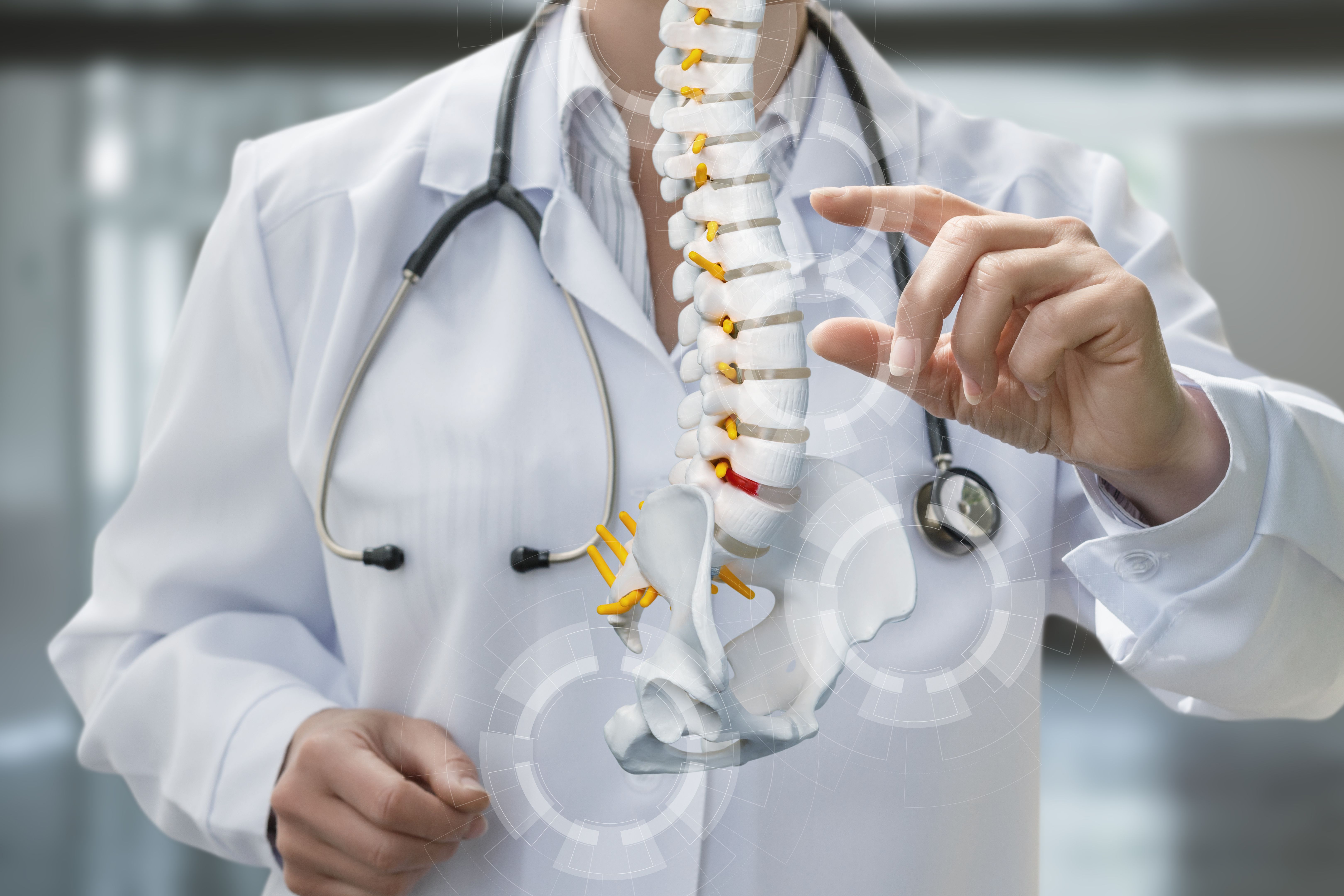
The spine is a crucial component of the human body, providing support, protecting the spinal cord, and allowing for flexibility and movement. However, many people overlook its importance until they start experiencing issues. Recognizing the signs of spine problems early can lead to effective treatment and prevent further complications.
Common Symptoms of Spine Issues
Spine issues can manifest in various ways, and it’s essential to be aware of these symptoms. Some of the most common indicators include:
- Back pain: Persistent or recurring pain in the back is often the first sign of a spine problem.
- Neck pain: Discomfort or stiffness in the neck can indicate cervical spine issues.
- Numbness or tingling: These sensations in the arms or legs could point to nerve compression.
Recognizing More Subtle Signs
While pain is a clear indicator, certain subtle signs might also suggest spine issues. Look out for:
- Muscle weakness: Weakness in your extremities can be a sign of spinal nerve involvement.
- Posture changes: Noticeable changes in posture may indicate underlying spine problems.
When to Seek Medical Attention
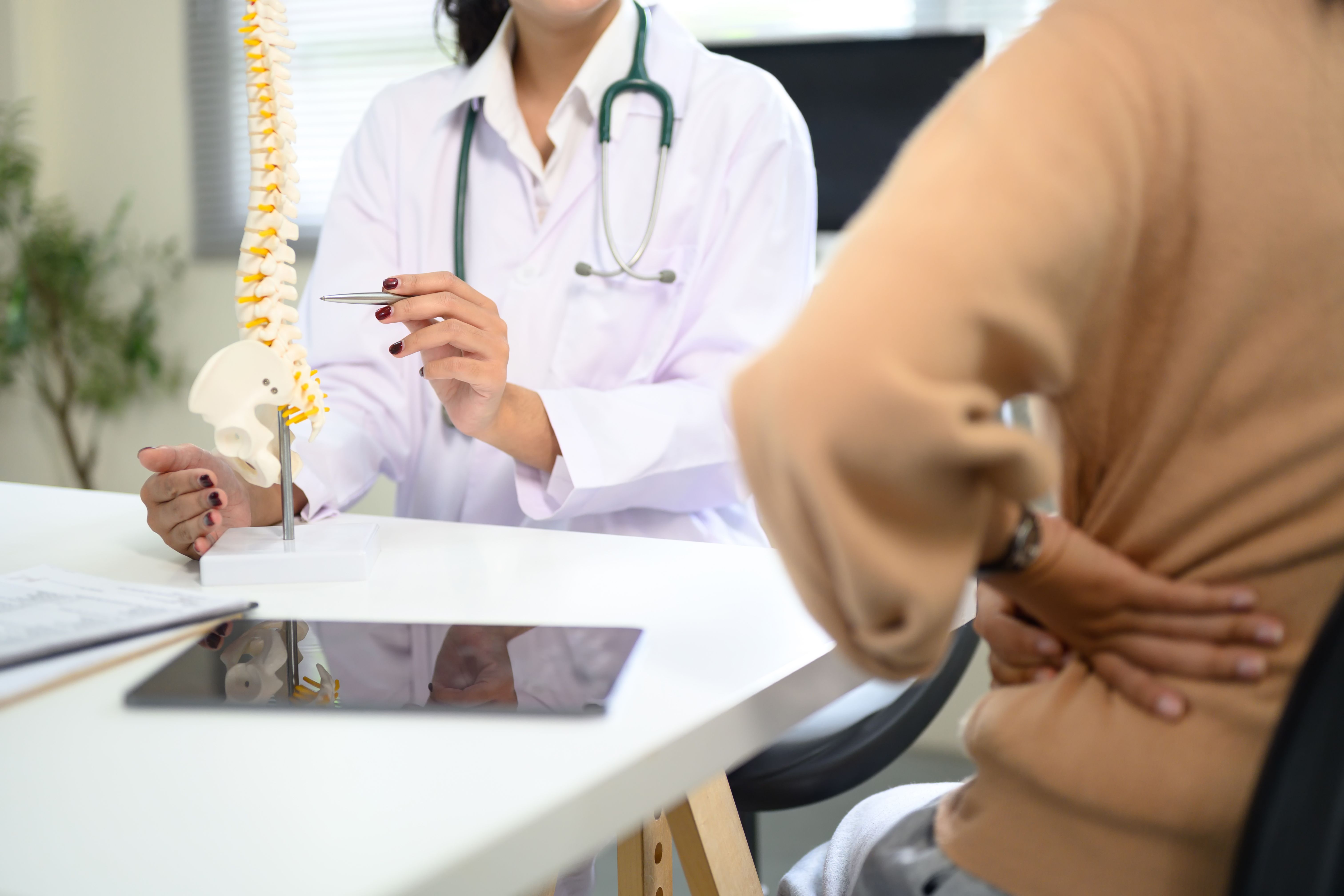
While some spine issues might resolve with rest and self-care, others require professional attention. You should seek medical advice if you experience:
- Severe or unrelenting pain: Pain that doesn't improve with rest or medication.
- Bowel or bladder dysfunction: Changes in these functions can indicate a severe spinal issue.
- Sudden weight loss: Unexplained weight loss accompanied by back pain may require immediate evaluation.
Diagnostic Approaches
If you suspect a spine issue, a healthcare provider may recommend several diagnostic tests. These could include X-rays, MRI scans, or CT scans to get a detailed view of the spine’s condition. Early diagnosis is key to preventing long-term damage and improving outcomes.
Treatment Options
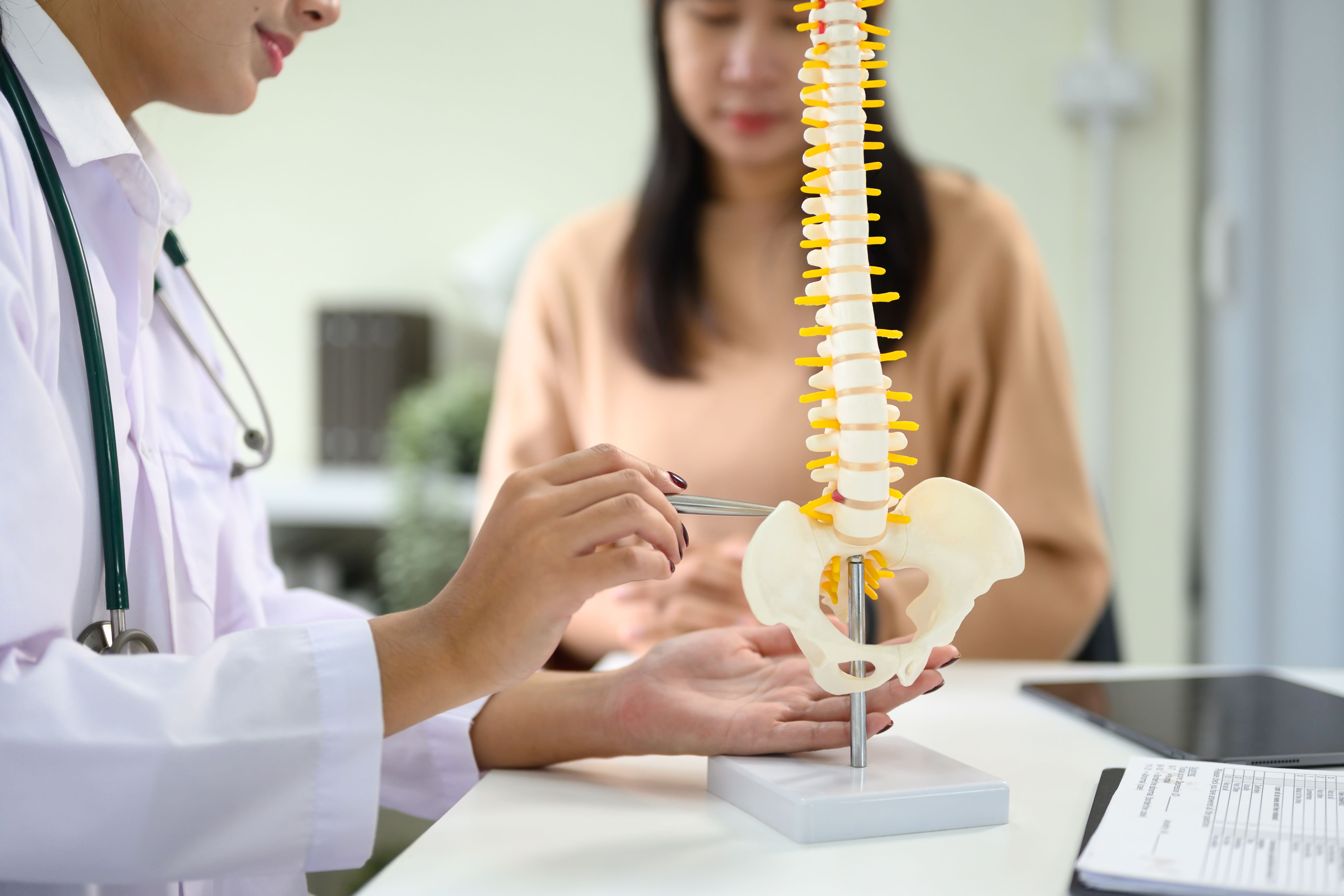
Treatment for spine issues varies based on the cause and severity. Options might include:
- Physical therapy: Exercises and stretches tailored to relieve pain and improve function.
- Medications: Pain relievers or anti-inflammatory drugs can help manage symptoms.
- Surgery: In severe cases, surgical intervention might be necessary to address structural problems.
Preventing Spine Problems
Prevention is always better than cure. To maintain a healthy spine, consider adopting these habits:
- Regular exercise: Strengthen your back and core muscles to support your spine.
- Proper posture: Maintain good posture while sitting, standing, and sleeping.
- Lifting techniques: Use your legs, not your back, when lifting heavy objects to avoid strain.
Conclusion
Your spine plays a vital role in your overall well-being. By recognizing early symptoms and seeking timely medical attention, you can address potential issues before they escalate. Remember, maintaining a healthy lifestyle with regular exercise and proper posture can significantly reduce the risk of developing spine problems.